
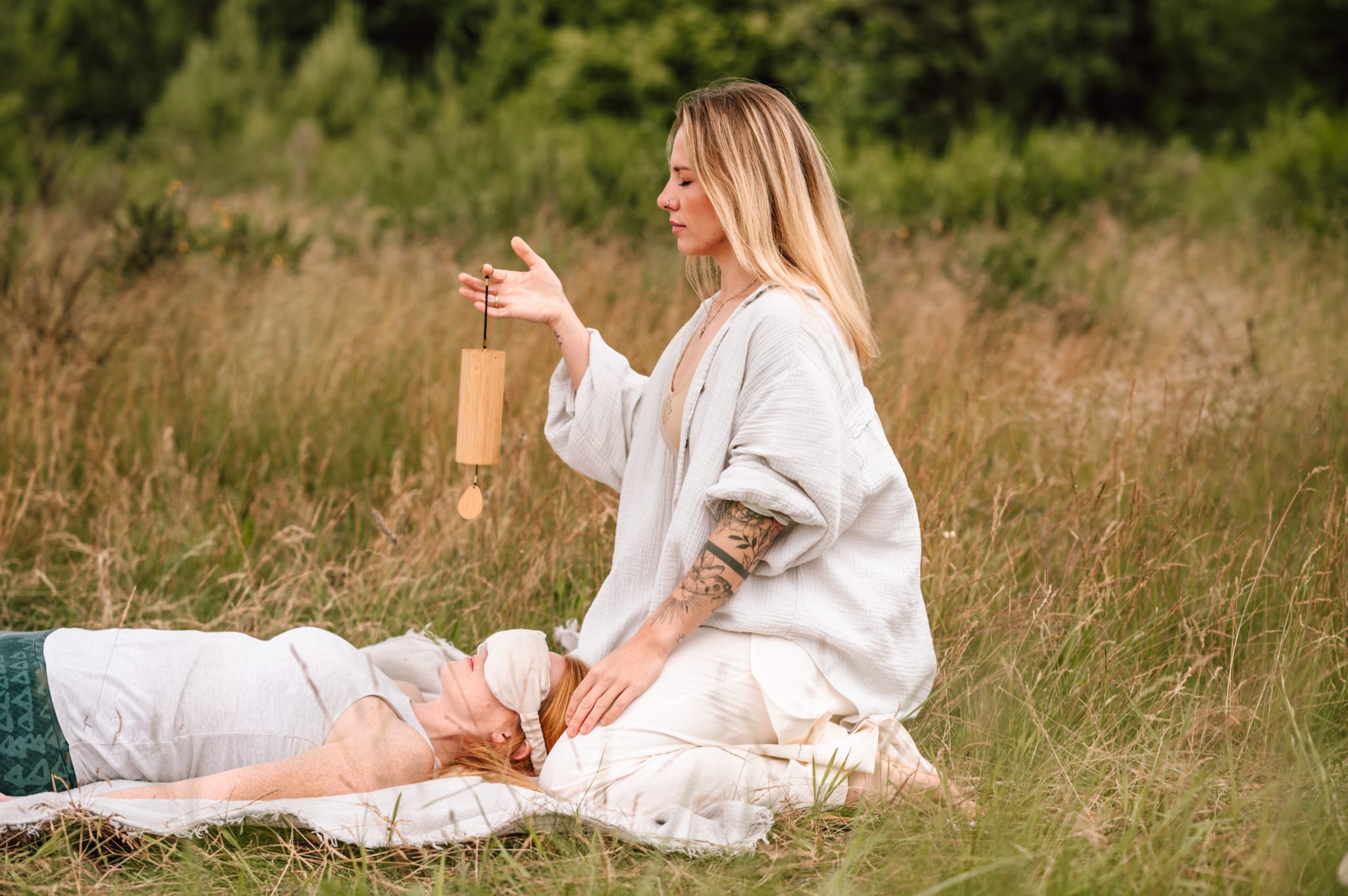
Wellness today is no longer limited to simple advice like eating vegetables, exercising daily, and getting enough sleep. While these traditional routines still matter, modern lifestyles have introduced new pressures that require more adaptable and holistic solutions. People now face long work hours, digital fatigue, social stress, environmental challenges, and constant information overload. Because of this, wellness has evolved into a broader concept that includes emotional balance, mental clarity, social connection, and sustainable living habits.
Modern wellness approaches focus on understanding the complete person rather than treating health as a single category. Instead of following rigid routines, many individuals now prefer flexible systems that support both physical and emotional wellbeing. This shift is changing how people think about self care and long term health improvement.
Personalized Wellness Instead of One Size Fits All
One major change in modern wellness is personalization. Traditional health advice often applied the same routine to everyone, but modern approaches recognize that individuals have different lifestyles, energy levels, and emotional needs. What works for one person may not work for another.
Technology has helped make personalized wellness more accessible. Health tracking tools, sleep monitoring apps, and digital fitness programs allow people to better understand their bodies and habits. Articles featured in Australia Business Insights have highlighted how modern businesses are increasingly supporting employee wellness through customized health programs and flexible work environments.
This personalized approach helps individuals build routines that are realistic and sustainable rather than overwhelming.
Mental Wellness Has Become a Central Priority
In the past, physical fitness often received more attention than emotional health. Today, mental wellness is considered equally important. People are now more aware of how stress, anxiety, and emotional exhaustion can affect physical health and overall quality of life.
Practices such as mindfulness, journaling, meditation, and therapy are becoming more common in everyday routines. Even short periods of quiet reflection can help improve focus and emotional stability. Modern wellness encourages people to slow down, evaluate their thoughts, and create healthier boundaries in both personal and professional life.
Online communities and educational platforms also play a role in spreading awareness about emotional wellbeing. Discussions around healthy relationships and communication are frequently shared through platforms like uploadarticle relationship, where readers explore ways to improve emotional balance and social connection.
Digital Wellness Is Now Essential
Technology has improved convenience, but excessive screen time has also created new wellness challenges. Many people spend most of their day looking at phones, laptops, or tablets, which can lead to mental fatigue, sleep disruption, and reduced physical activity.
As a result, digital wellness has become an important part of modern health strategies. People are learning to create healthier relationships with technology by limiting screen time, taking breaks from social media, and creating phone free spaces in their homes.
At the same time, technology can also support healthy living when used correctly. Many individuals rely on best Android apps Australia users recommend for guided meditation, hydration reminders, stress management, and fitness tracking. These digital tools help people stay organized and motivated without relying entirely on traditional wellness methods.
Workplace Wellness Is Changing
Modern wellness approaches are also influencing workplace culture. Companies now understand that employee wellbeing directly affects productivity, creativity, and long term success. Instead of focusing only on physical safety, many organizations are investing in mental health support, flexible schedules, and healthier work environments.
The connection between business and wellbeing is becoming increasingly important across australia business communities where organizations are encouraging healthier work life balance practices. Flexible remote work, mental health days, and wellness focused office designs are helping employees reduce stress and improve focus.
This modern approach recognizes that people perform better when they feel supported both physically and emotionally.
Wellness Through Community and lifestyle
Another major shift in wellness involves the role of community and daily environment. Traditional routines often focused on individual discipline, but modern wellness recognizes that social connection strongly affects health outcomes.
People now seek healthier lifestyles through group activities, local events, shared hobbies, and supportive communities. Activities like walking groups, wellness workshops, and outdoor gatherings help reduce feelings of isolation while improving emotional wellbeing.
Lifestyle trends reported through Adelaide lifestyle news often show how communities are embracing wellness through local markets, fitness events, healthy dining, and environmentally friendly living. These activities create a stronger connection between physical health, emotional satisfaction, and community engagement.
Nutrition Beyond Dieting
Modern nutrition is also moving away from restrictive dieting culture. Instead of focusing only on weight loss, wellness experts now encourage balanced eating habits that support energy, mood, and long term health.
People are becoming more aware of how food affects concentration, sleep quality, and emotional stability. Mindful eating, plant based nutrition, hydration awareness, and reduced processed food consumption are becoming more popular approaches.
Rather than chasing perfection, many individuals now focus on building sustainable habits that fit naturally into their lives. This creates a healthier relationship with food and reduces the stress associated with unrealistic diet expectations.
Conclusion
Modern wellness approaches go far beyond traditional routines because they address the realities of modern life. Physical fitness still matters, but true wellness now includes emotional balance, digital wellbeing, healthy relationships, workplace support, and community connection. People are beginning to understand that health is not built through temporary routines alone. It develops through consistent habits, self awareness, flexibility, and supportive environments. As society continues to evolve, modern wellness will likely become even more personalized, balanced, and focused on long term quality of life rather than short term results.