
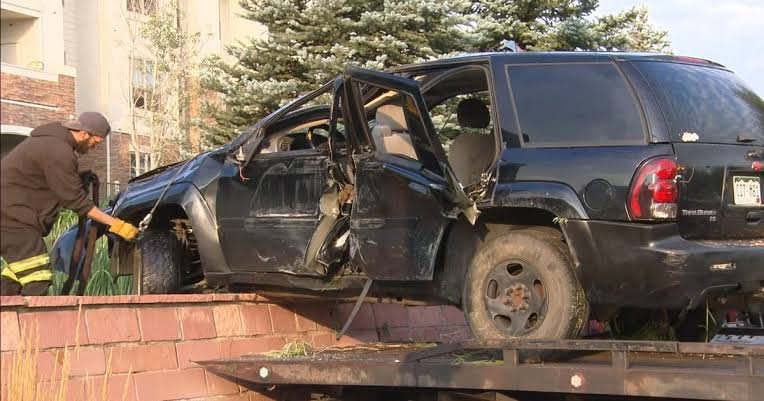
A vehicle accident can turn an ordinary day into a complicated situation. Once immediate safety concerns have been addressed, drivers often have to think about insurance, transportation, repair estimates, and the condition of their vehicle. Even when exterior damage appears relatively minor, an impact can affect components that are not immediately visible.
For local drivers, choosing among auto body shops in Aurora, Colorado is an important part of getting a damaged vehicle back into dependable condition. A professional repair process is not simply about removing dents or applying fresh paint. It involves assessing the extent of the damage, restoring affected components, checking alignment, and making sure repairs are completed with attention to both safety and appearance.
Start With A Complete Damage Assessment
After an accident, the visible damage only tells part of the story. A cracked bumper, bent fender, damaged door, or broken light may be easy to identify, but an impact can also affect mounting points, structural areas, sensors, and other components.
A detailed inspection helps establish the actual scope of work before repairs begin. Technicians may examine the body panels, frame or unibody structure, wheels, lights, glass, and areas surrounding the point of impact. Modern vehicles may require additional attention because cameras and sensors can be located behind bumpers, mirrors, and other exterior components.
Getting a thorough assessment early can reduce the likelihood of overlooked problems becoming noticeable after the vehicle has returned to the road.
Understand The Repair Estimate
A repair estimate should provide more than one final price. It generally identifies damaged components and outlines the work required to repair or replace them. Depending on the accident, this could involve body work, replacement parts, refinishing, structural correction, or other procedures.
Drivers should review the estimate carefully and ask questions about anything that is unclear. It can be useful to understand which components can be repaired and which need replacement. The type of replacement parts being considered may also be worth discussing.
The initial estimate can sometimes change once damaged exterior panels are removed. Hidden damage may only become visible during disassembly, especially after a more significant collision.
Restore Structural And Body Damage
Vehicle body repair requires more than improving appearance. Certain damaged areas contribute to the overall structure of the vehicle, so they need to be restored accurately.
If an accident has affected structural alignment, specialized equipment may be used to measure the vehicle and determine where correction is necessary. Body panels may then be repaired or replaced depending on their condition.
Doors, hoods, trunks, bumpers, and fenders also need to fit correctly after repair. Uneven gaps, poor panel alignment, or components that do not open and close smoothly can indicate that additional adjustment is needed.
Attention to these details contributes to a finished repair that feels complete rather than merely cosmetic.
Pay Attention To Paint And Refinishing
Paintwork is one of the most noticeable parts of collision restoration. Replacing a damaged panel without carefully matching its finish can leave obvious differences between the repaired area and the rest of the vehicle.
Professional refinishing typically involves preparing the surface, matching the existing color, applying the appropriate coatings, and creating a consistent finish. Color matching can be particularly important on older vehicles because years of exposure to Colorado sunlight and weather may have changed the original appearance slightly.
Blending techniques may be used when necessary to create a smoother transition between repaired and existing panels.
Consider Modern Vehicle Technology
Today’s vehicles contain increasingly sophisticated technology. Depending on the model, bumpers, windshields, mirrors, and body panels may contain or surround cameras, parking sensors, radar units, and other driver assistance equipment.
When collision repairs affect these areas, restoring the physical bodywork may not be the final step. Some systems may require inspection or calibration so that they operate according to manufacturer specifications. This makes careful post-repair procedures particularly important for newer vehicles.
Work Through The Insurance Process
Insurance can add another layer to accident repairs. Drivers may need to report the collision, document damage, obtain an estimate, and communicate with an adjuster before or during the repair process.
Keeping photographs, estimates, receipts, and correspondence organized can make the process easier to follow. Drivers should also understand what their policy covers, including deductibles and any provisions related to rental transportation.
Clear communication among the vehicle owner, repair facility, and insurer can help prevent unnecessary confusion as work progresses.
Inspect The Vehicle Before Taking It Home
When repairs are finished, take a few minutes to inspect the vehicle before leaving. Look at repaired panels from different angles and check that the paint finish appears consistent. Open and close doors, the hood, and the trunk if those areas were involved in the collision.
Ask about the completed work and any warranties that apply to parts, paint, or labor. If something does not look or feel right, raising the concern before leaving gives the repair facility an opportunity to address it.
Getting Back On Aurora Roads With Confidence
Restoring a vehicle after an accident involves several stages, from the first inspection to final quality checks. The objective is not simply to hide evidence of a collision. Proper restoration should address damage carefully while bringing together structural repair, bodywork, refinishing, and the technology found in modern vehicles.
For Aurora drivers, taking time to understand the process can make collision repairs less overwhelming. A thorough assessment, clear estimate, careful workmanship, and detailed final inspection can help return a damaged vehicle to the road in a condition that looks right and performs as expected.