

In a world where screens dominate nearly every aspect of daily life, the need to disconnect has never been greater. From the constant barrage of notifications to the endless stream of social media content, our attention is pulled in countless directions every second. While technology has given us convenience, entertainment, and global connection, it has also created new challenges for mental health. A digital detox—the deliberate break from electronic devices—offers a pathway to reclaiming balance, clarity, and peace in a hyperconnected age.
The Impact of Constant Connectivity
Technology has blurred the boundaries between personal and professional life. Smartphones mean work emails follow us into the evening, while social media platforms demand constant attention. Over time, this level of connectivity can lead to stress, anxiety, and burnout. Studies suggest that excessive screen time is linked to disrupted sleep patterns, reduced attention spans, and even diminished creativity.
Interestingly, many young people reflect this internal conflict through social expression. A trend such as hidden face aesthetic boy mirror selfie symbolizes both the desire to share online and the subtle wish to retreat from overexposure. In the same way, a digital detox allows individuals to find balance—sharing when it matters but stepping back to protect mental space.
Creating Space for Stillness
Reclaiming control begins with intentional breaks from devices. This doesn’t necessarily mean abandoning technology altogether but learning to set boundaries. For example, practicing “no-screen mornings” or device-free dinners can help create mindful pauses.
Even in business and lifestyle settings, stepping away from the screen can bring clarity. Entrepreneurs who post on to promote their services may find themselves glued to digital metrics. A short detox, however, can give them the opportunity to rethink strategies, focus on creativity, and return with sharper insights rather than compulsive scrolling.
Emotional Health and Digital Overload
The more time spent online, the easier it becomes to compare oneself to others. Social media, while designed to connect, often highlights unrealistic standards of beauty, success, and happiness. This constant comparison can foster loneliness and dissatisfaction.
This is why emotional outlets matter. Poetry, journaling, or cultural expressions like sad shayari punjabi give people a way to process feelings authentically, away from digital noise. Such practices provide emotional release, ensuring that the digital detox is not simply a break from screens, but a step toward deeper self-care and resilience.
The Business Perspective
For professionals and entrepreneurs, the digital world often feels unavoidable. Online listings, social platforms, and marketing strategies demand attention. However, the pressure to remain constantly engaged can reduce effectiveness.
Consider the real estate sector. A person managing a commercial property by owner listing might feel compelled to check platforms multiple times a day. Yet a structured digital detox can actually improve performance. With scheduled times for posting and reviewing responses, business owners can strike a healthier balance between productivity and personal peace.
Reconnecting with the Physical World
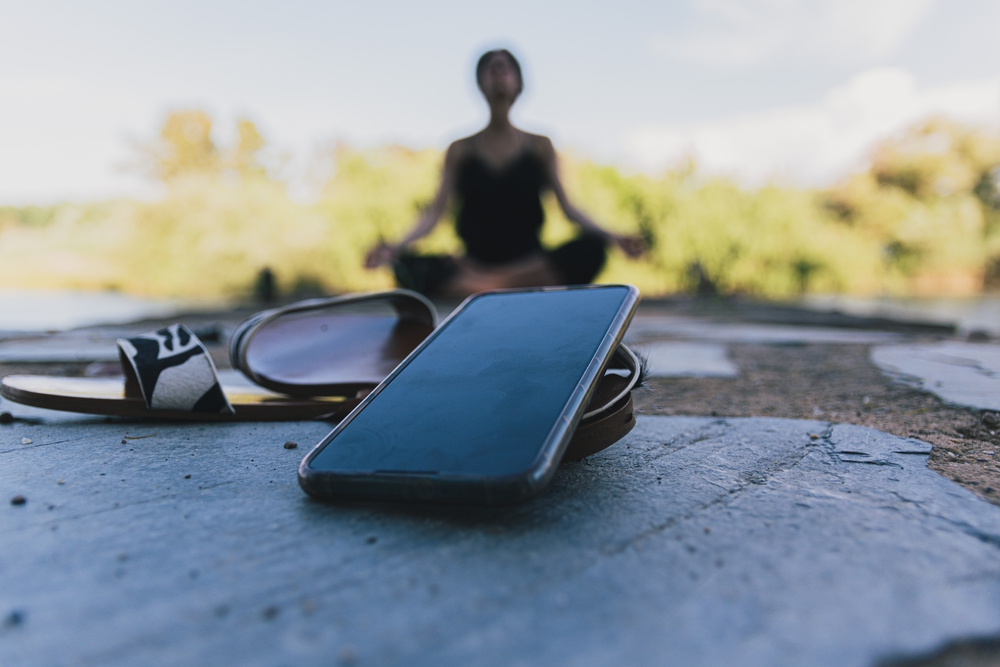
One of the most rewarding parts of a digital detox is rediscovering real-world experiences. Traveling, enjoying nature, and dining out are often more memorable when phones are set aside. Instead of capturing every moment for likes and comments, people can immerse themselves fully in the experience.
Think of dining at the best restaurant australia has to offer. Without the distraction of documenting every course on Instagram, the flavors, conversation, and atmosphere take center stage. Presence, not performance, becomes the goal—and it’s often far more fulfilling.
Strategies for a Successful Detox
Embarking on a digital detox doesn’t need to be overwhelming. Small steps can make a significant difference:
- Set tech-free zones at home, such as bedrooms or dining areas.
- Use app timers to limit daily social media use.
- Schedule offline hobbies, like reading, painting, or exercise.
- Practice mindful scrolling, asking yourself whether each online action adds value.
The aim is not permanent disconnection but a healthy relationship with technology that prioritizes mental clarity over constant engagement.
Long-Term Benefits
A digital detox is more than a temporary pause—it’s a chance to build healthier habits for life. People often report improved focus, deeper sleep, and stronger relationships after implementing digital boundaries. Over time, the ability to be present without distraction also enhances creativity and resilience.
What’s more, a healthier balance between technology and personal well-being often leads to improved decision-making. Professionals return to their work with fresh perspective, families enjoy richer interactions, and individuals find themselves less overwhelmed by the pressures of a hyperconnected society.
Final Thought
Technology is not the enemy, but our relationship with it needs recalibration. A digital detox offers the chance to reclaim mental space, restore emotional balance, and reconnect with what truly matters. Whether it’s spending time with loved ones, savoring a meal, or rediscovering personal passions, life feels fuller when not filtered through constant notifications. In a world that glorifies connectivity, the true luxury may be learning how to unplug.