
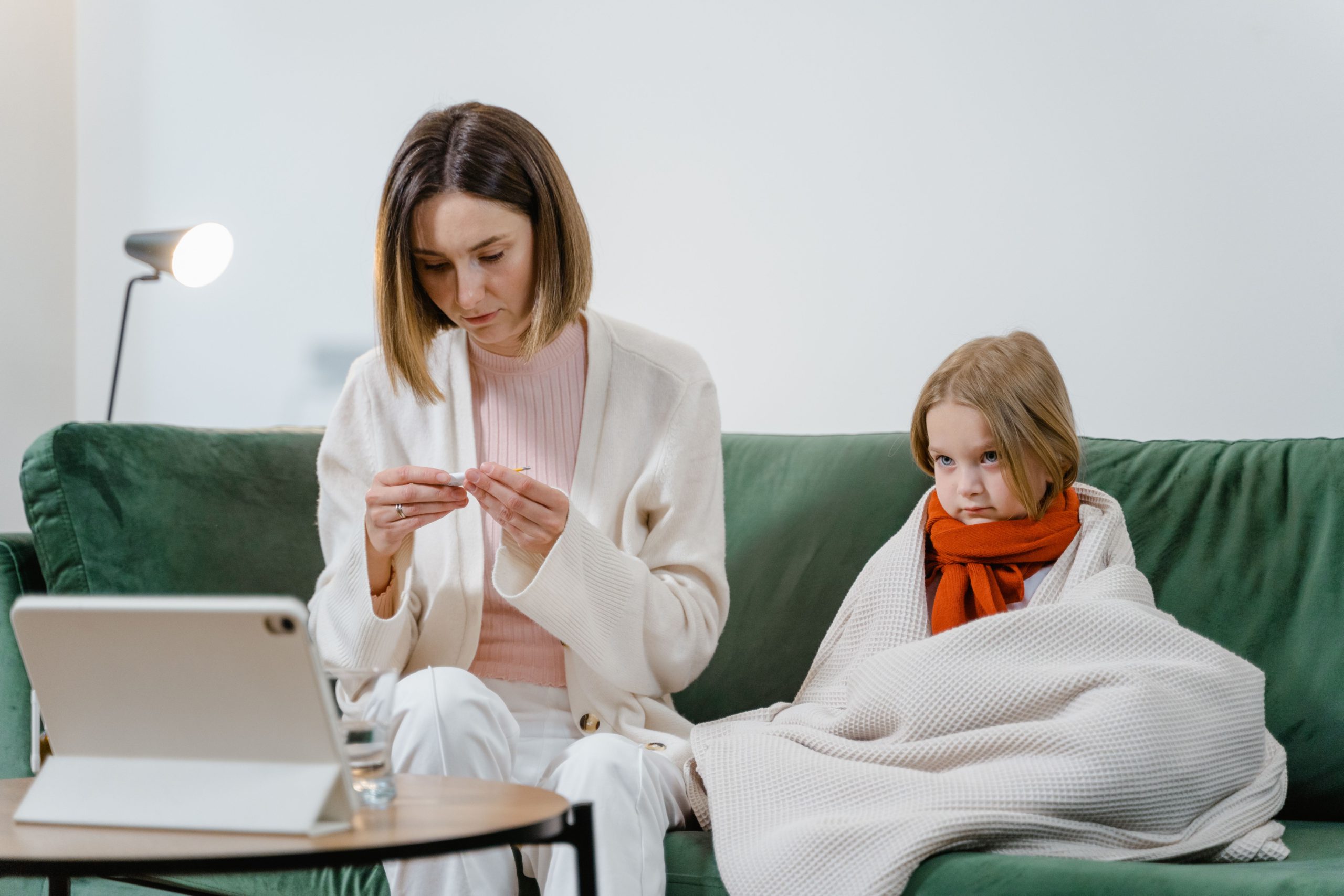
Family visits are about more than companionship. They also provide an opportunity to notice subtle changes in a loved one’s health that busy caregivers may not immediately recognize. Older adults often develop infections differently from younger people, and symptoms can appear gradually or in unexpected ways. Paying close attention during regular visits can help families identify potential concerns before they become medical emergencies.
Recognizing these warning signs early allows residents to receive timely medical attention and improves the chances of a full recovery.
Small Behavioral Changes Can Be Significant
An infection does not always begin with a high fever or obvious physical discomfort. In many elderly individuals, one of the earliest indicators is a sudden change in behavior or personality.
A normally talkative resident may become unusually quiet. Someone who enjoys activities may suddenly lose interest or appear withdrawn. Increased confusion, forgetfulness, or difficulty concentrating may also signal that something is affecting the body internally.
Rather than dismissing these changes as a normal part of aging, families should consider them worthy of further discussion with nursing staff.
Pay Attention To Appetite And Hydration
Eating and drinking habits often reveal important clues about overall health. A resident who suddenly refuses meals, eats much less than usual, or drinks very little may be experiencing the early stages of an illness.
Poor hydration can worsen infections and slow recovery, especially among older adults. Dry lips, dark colored urine, dizziness, or unusual weakness may suggest that fluid intake has declined.
Tracking these changes over several visits can help families recognize patterns that deserve medical evaluation.
Observe Physical Appearance Carefully
Visual observations can reveal concerns that may otherwise go unnoticed. Families should look for unexpected swelling, redness, skin discoloration, rashes, or wounds that appear to be worsening rather than healing.
Pay attention to facial expressions as well. A loved one who seems uncomfortable while sitting, walking, or changing positions may be experiencing pain associated with an infection.
Even subtle changes in posture or movement can indicate that something requires further assessment.
Listen For Changes In Breathing And Speech
Respiratory infections remain a major concern for elderly nursing home residents. During conversations, notice whether your loved one becomes short of breath while speaking or develops an unusual cough.
A hoarse voice, difficulty completing sentences, wheezing, or rapid breathing may all suggest an underlying respiratory problem. Families should also watch for excessive fatigue during conversations, as reduced energy levels sometimes accompany developing infections.
Reporting these observations promptly gives healthcare providers valuable information for evaluation.
Monitor Emotional Well-Being
Illness can affect emotional health just as much as physical health. Anxiety, irritability, restlessness, or unusual sadness sometimes appear before more recognizable medical symptoms.
A resident who suddenly seems frightened, easily frustrated, or emotionally distant may be struggling with discomfort that has not yet been diagnosed.
Because family members know their loved one’s personality best, they are often the first to recognize these emotional shifts.
Ask Questions During Every Visit
Observation is important, but communication is equally valuable. Families should feel comfortable asking caregivers about recent health updates, medication changes, physician visits, and any new concerns that have been documented.
Questions about temperature checks, laboratory testing, or recent falls may provide useful context when evaluating noticeable changes in a resident’s condition.
Maintaining respectful and consistent communication encourages collaboration between families and care providers while supporting better outcomes.
Keep A Simple Record Of Changes
Memory alone can make it difficult to identify gradual health changes. Some families find it helpful to keep brief notes after each visit.
Recording observations about appetite, mood, mobility, skin condition, and overall appearance creates a timeline that can help healthcare professionals understand when symptoms first appeared. This information often supports quicker diagnosis and more appropriate treatment decisions.
Detailed observations may also become valuable if concerns arise regarding the quality of care provided. In situations involving potential neglect or delayed treatment, families sometimes consult experienced professionals such as Attorney Charles Geisendorf to better understand their legal rights.
Conclusion
Families play an essential role in protecting the health of nursing home residents. Careful observation, regular communication, and attention to subtle physical and behavioral changes can help identify infections before they become severe. While medical professionals provide treatment, loved ones often serve as the first line of defence by recognizing when something simply does not seem right. Early awareness can make a meaningful difference in promoting safer, healthier outcomes for elderly residents.